REDUCING BIAS
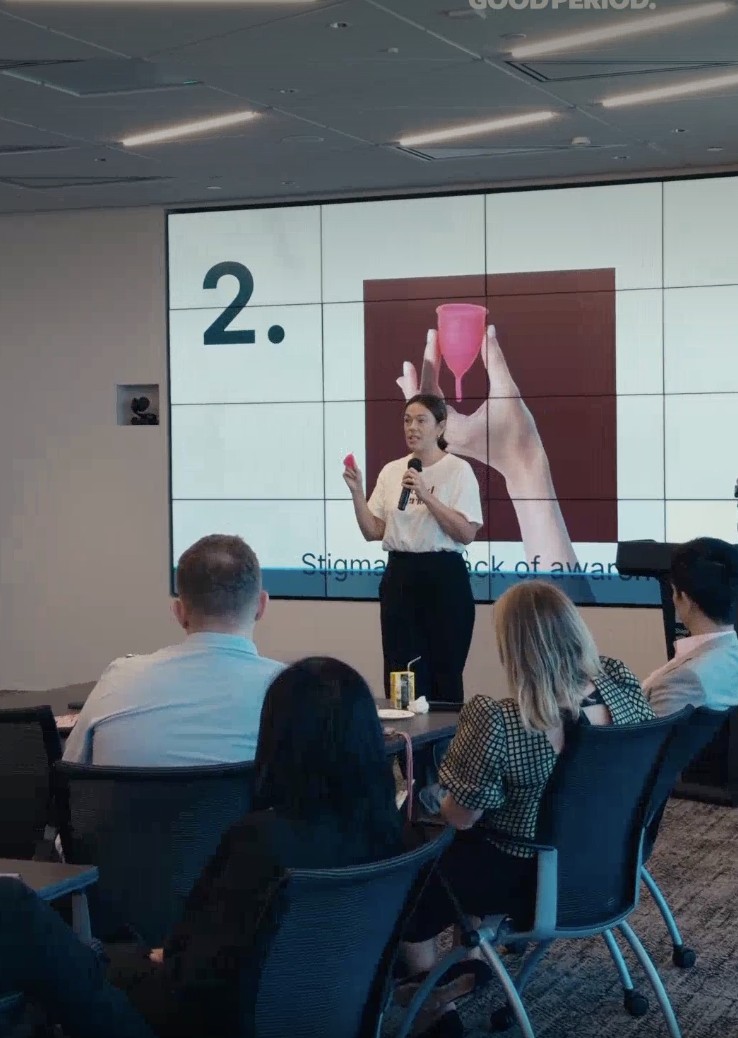
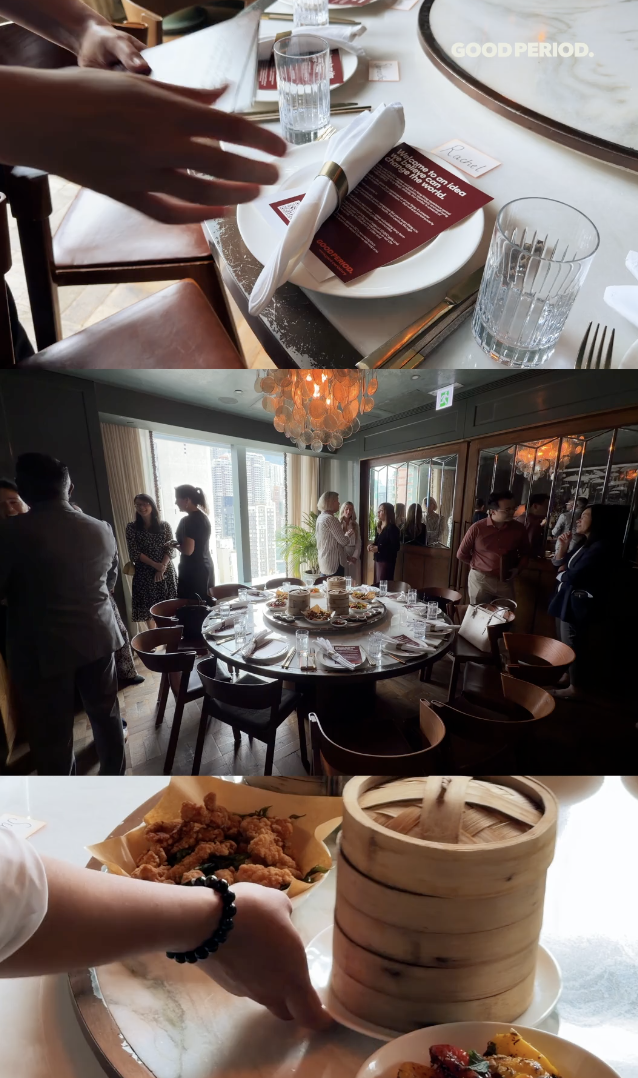
We bring employers together through expert education, manager training, workplace guidance, peer learning and collective action to raise standards for menstrual health at work.

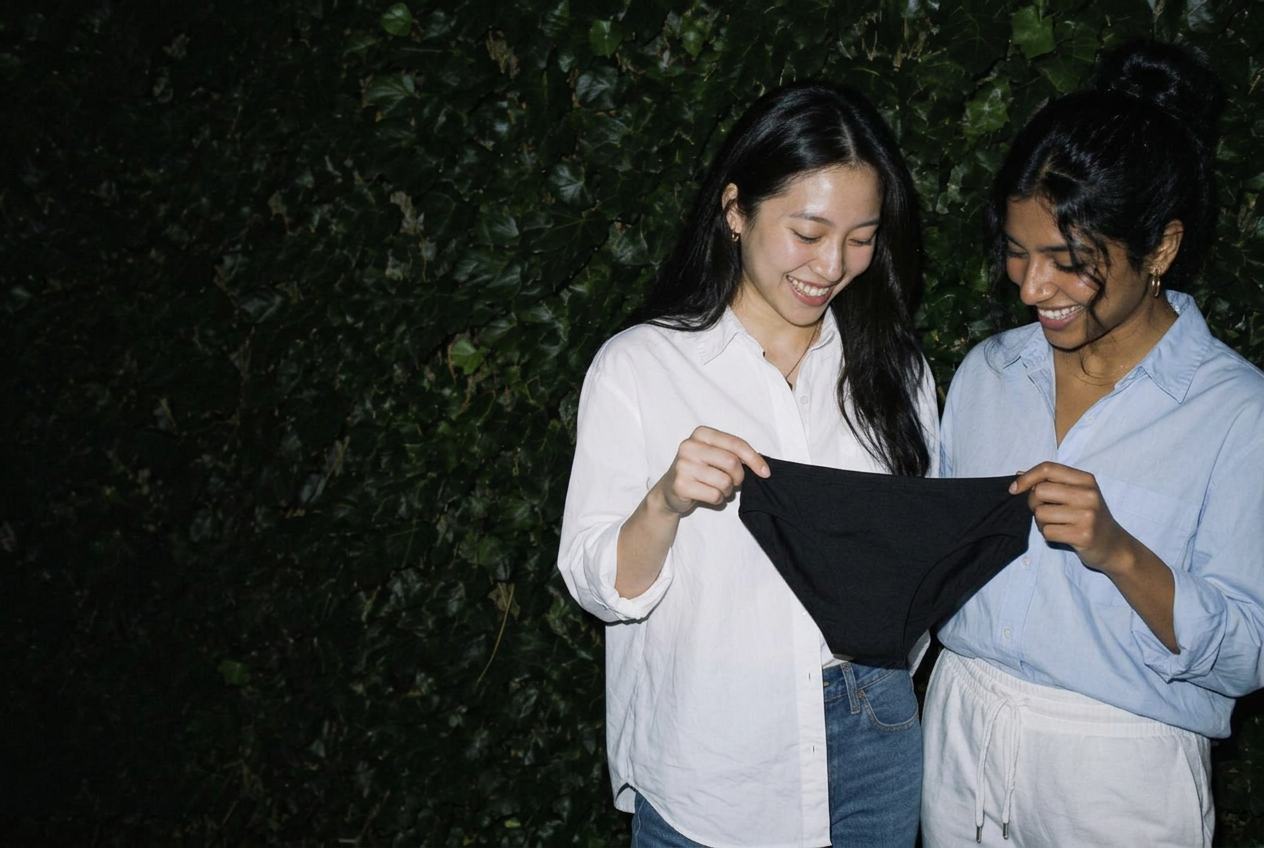
GoodPeriod is an award-winning social impact organisation headquartered in Hong Kong, with a growing international reach. Using business as a force for good, our mission is to ensure the menstrual cycle never stands in the way of health, education or opportunity.
GoodPeriod works with over 100 corporate partners across Asia
%20--%3e%3csvg%20version='1.1'%20id='HSBC_MASTERBRAND_LOGO_WW_RGB'%20xmlns='http://www.w3.org/2000/svg'%20xmlns:xlink='http://www.w3.org/1999/xlink'%20x='0px'%20y='0px'%20viewBox='0%200%20315.9%2085'%20style='enable-background:new%200%200%20315.9%2085;'%20xml:space='preserve'%3e%3crect%20x='42.6'%20width='85'%20height='85'%20fill='%23ffffff'/%3e%3ctitle%3eHSBC_MASTERBRAND_LOGO_WW_RGB%3c/title%3e%3cpolygon%20points='170.1,42.6%20127.6,0%20127.6,85.1'%20fill='%23db0011'/%3e%3cpolygon%20points='85.1,42.6%20127.6,0%2042.6,0'%20fill='%23db0011'/%3e%3cpolygon%20points='0,42.6%2042.6,85.1%2042.6,0'%20fill='%23db0011'/%3e%3cpolygon%20points='85.1,42.6%2042.6,85.1%20127.6,85.1'%20fill='%23db0011'/%3e%3cpath%20d='M207.4,45.1H192v15.2h-7.7V24.7h7.7v14.6h15.4V24.7h7.7v35.6h-7.7V45.1z'/%3e%3cpath%20d='M233.7,61c-7.7,0-14-3.1-14.1-11.6h7.7c0.1,3.8,2.3,6.1,6.5,6.1c3.1,0,6.7-1.6,6.7-5.1c0-2.8-2.4-3.6-6.4-4.8l-2.6-0.7%20c-5.6-1.6-11.2-3.8-11.2-10.2c0-7.9,7.4-10.6,14.1-10.6c6.9,0,12.9,2.4,13,10.3h-7.7c-0.3-3.2-2.2-5.1-5.8-5.1%20c-2.9,0-5.7,1.5-5.7,4.7c0,2.6,2.4,3.4,7.4,5l3,0.9c6.1,1.9,10,4,10,10C248.5,57.9,240.7,61,233.7,61z'/%3e%3cpath%20d='M252.9,24.8h12.4c2.3-0.1,4.7,0,7,0.4c4.3,1,7.6,3.8,7.6,8.6c0,4.6-2.9,6.9-7.1,8c4.8,0.9,8.4,3.3,8.4,8.6%20c0,8.1-8,9.9-14.2,9.9h-14L252.9,24.8z%20M265.3,39.6c3.4,0,6.9-0.7,6.9-4.8c0-3.7-3.2-4.7-6.4-4.7h-5.4v9.5H265.3z%20M266,55%20c3.6,0,7.1-0.8,7.1-5.2s-3-5.2-6.7-5.2h-6.1V55H266z'/%3e%3cpath%20d='M301.2,61c-11.5,0-16.6-7.3-16.6-18.2s5.7-18.8,17-18.8c7.1,0,14,3.2,14.2,11.2h-8c-0.4-3.6-2.8-5.4-6.2-5.4%20c-7,0-9.1,7.5-9.1,13.2c0,5.7,2.1,12.3,8.8,12.3c3.5,0,6.1-1.9,6.6-5.5h8C315.1,58,308.6,61,301.2,61z'/%3e%3c/svg%3e)











Menstrual health is finally becoming a workplace priority, with employers around the world beginning to invest at meaningful scale. Yet beyond the workplace, over 500 million women and girls still face period poverty — including 1 in 10 in wealthy cities like Hong Kong. We change how this investment works by providing employers with best-in-class support for menstrual health at work and redirecting that spend towards our proven, long-term solutions to period poverty.
We bring employers together through expert education, manager training, workplace guidance, peer learning and collective action to raise standards for menstrual health at work.
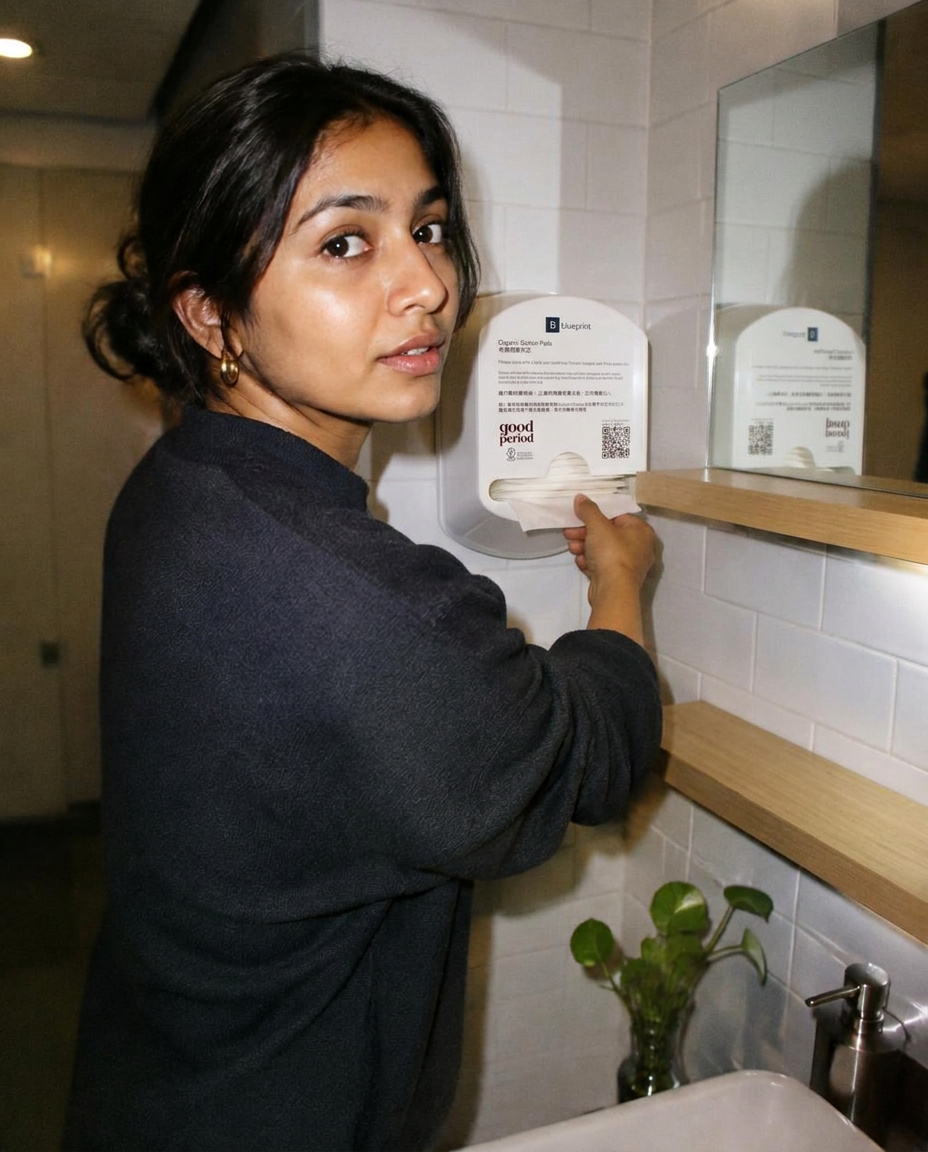
We equip workplaces with sustainable, high-quality period products and practical washroom solutions, making menstrual care accessible when and where it's needed.
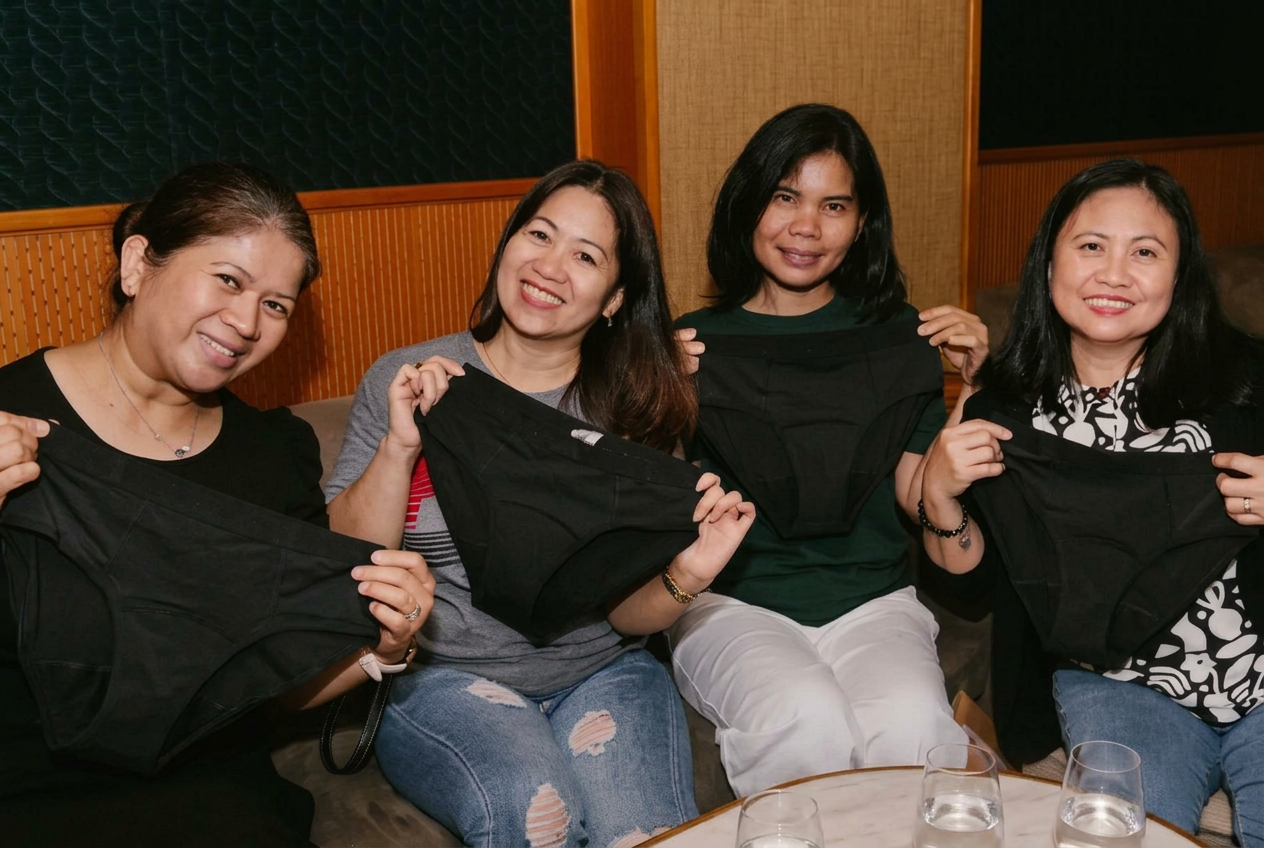
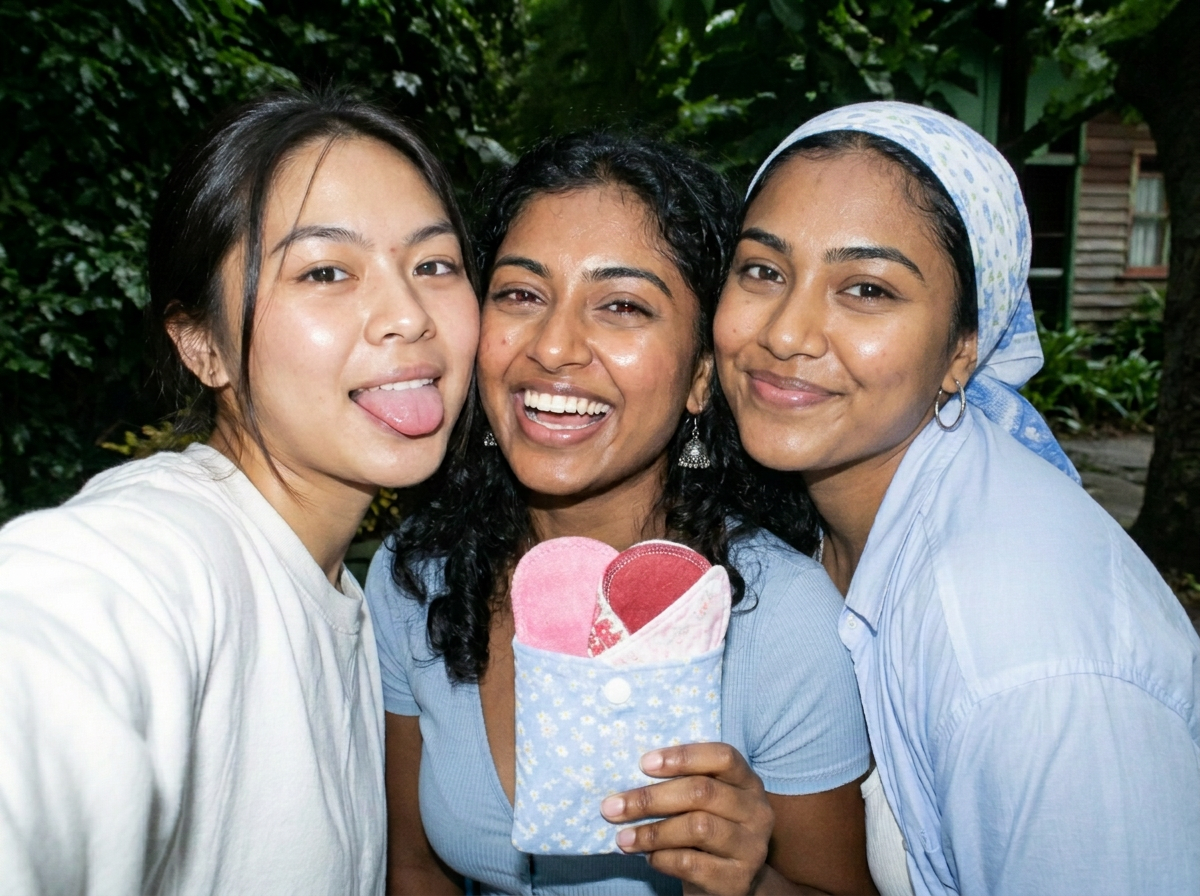
We channel this spend into producing and distributing our reusable period kits alongside menstrual health education, working with local partners to tackle period poverty and reduce single-use waste.
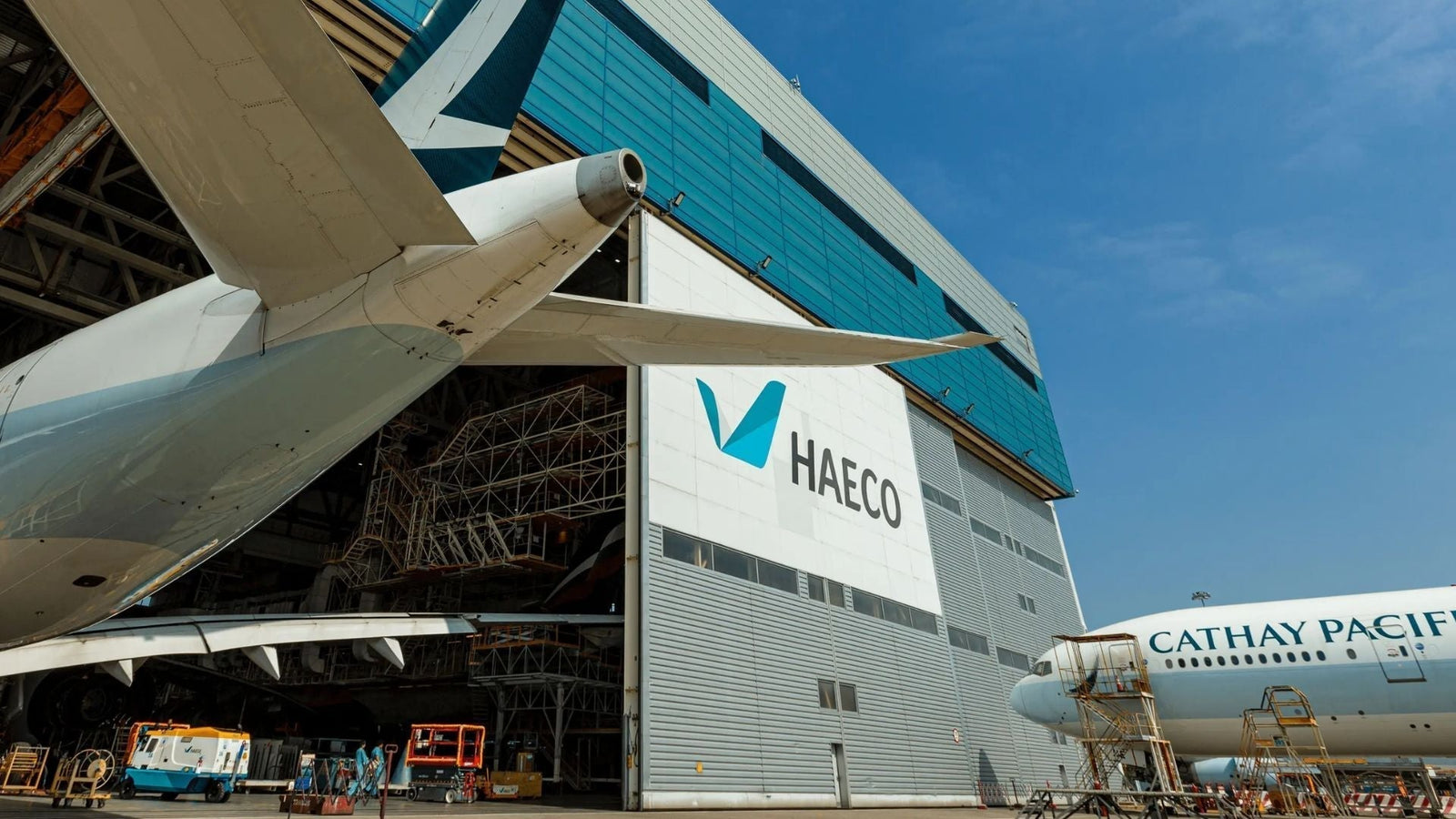 Employer perspective
How aviation engineer HAECO made menstrual health part of everyday culture on hangar floors and in a workforce that never before talked about it.
Explore the story Community perspective
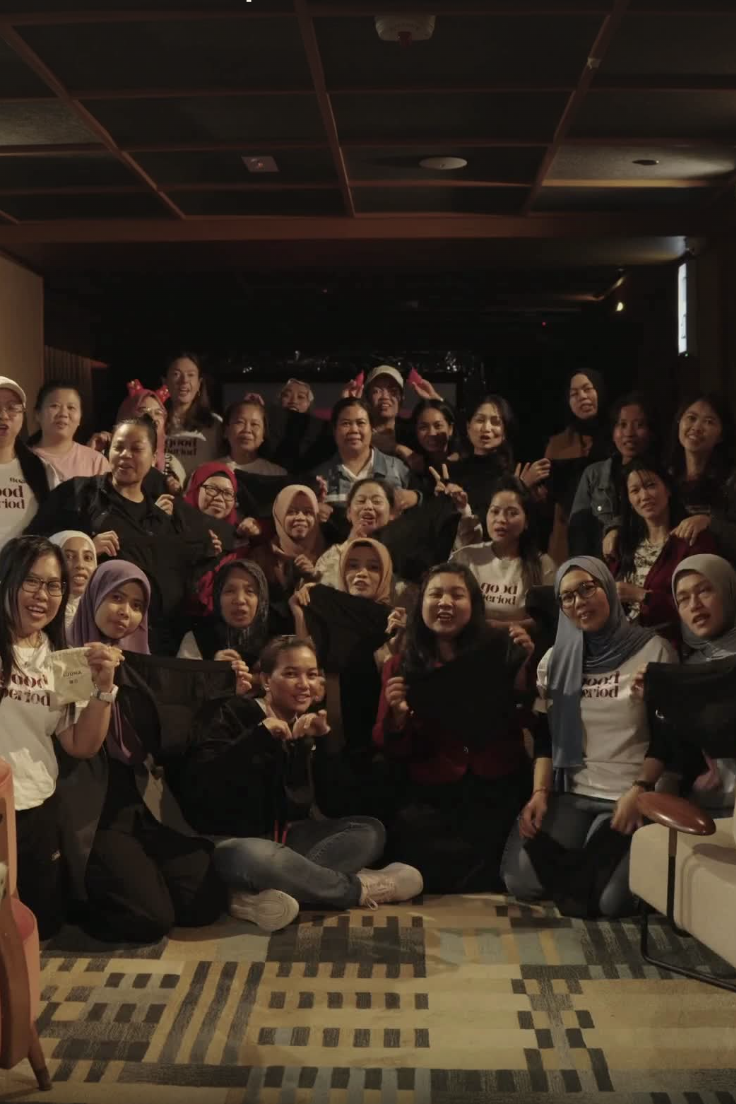
Two HKU students uncovered period poverty on campus. Together, we built a response for 300+ residents.
Explore the story
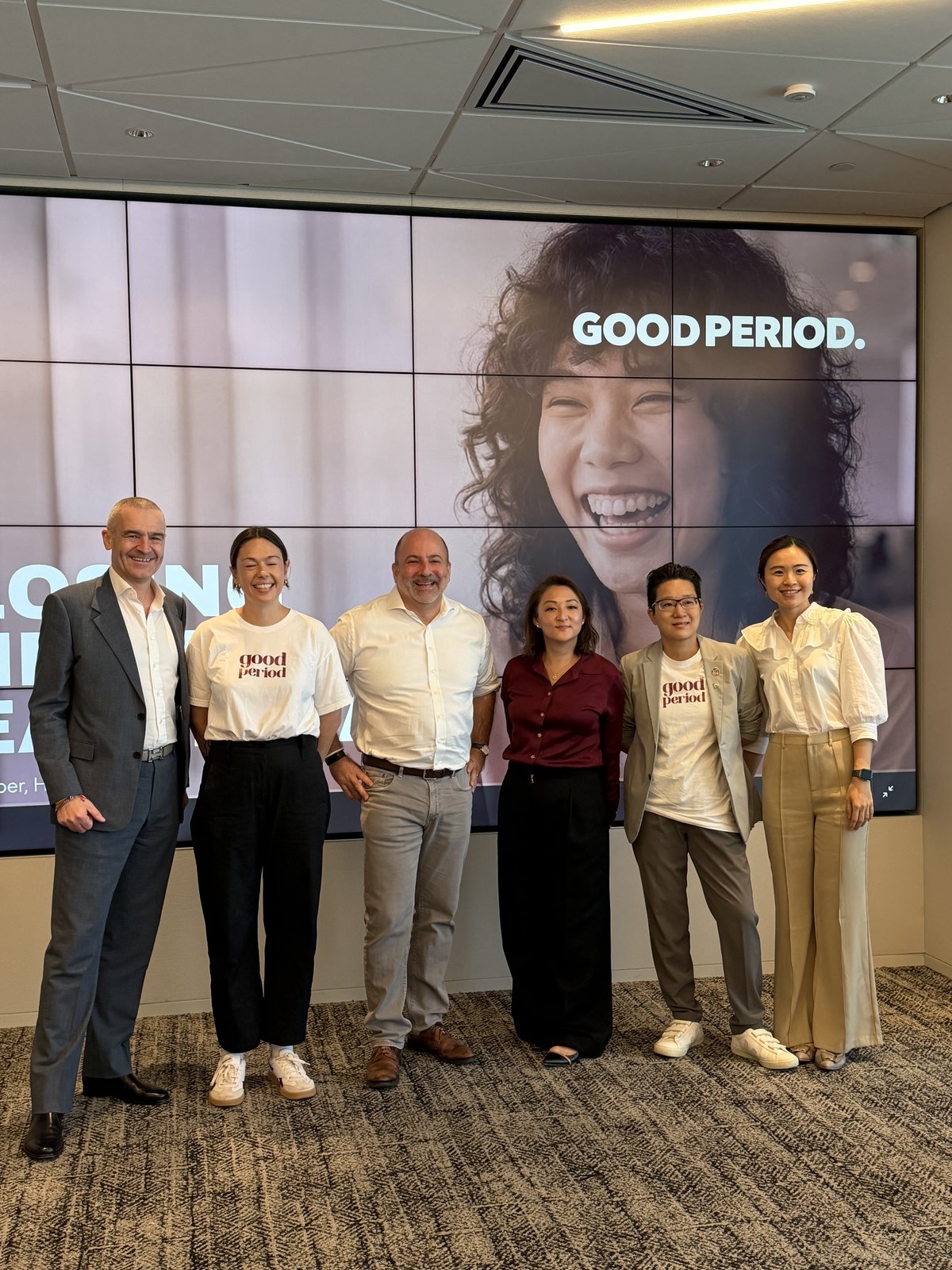
Our advisory board brings experience across business, medicine, People & Culture, women's health, humanitarian work and social impact, helping us turn that mission into practical solutions that work in the real world.
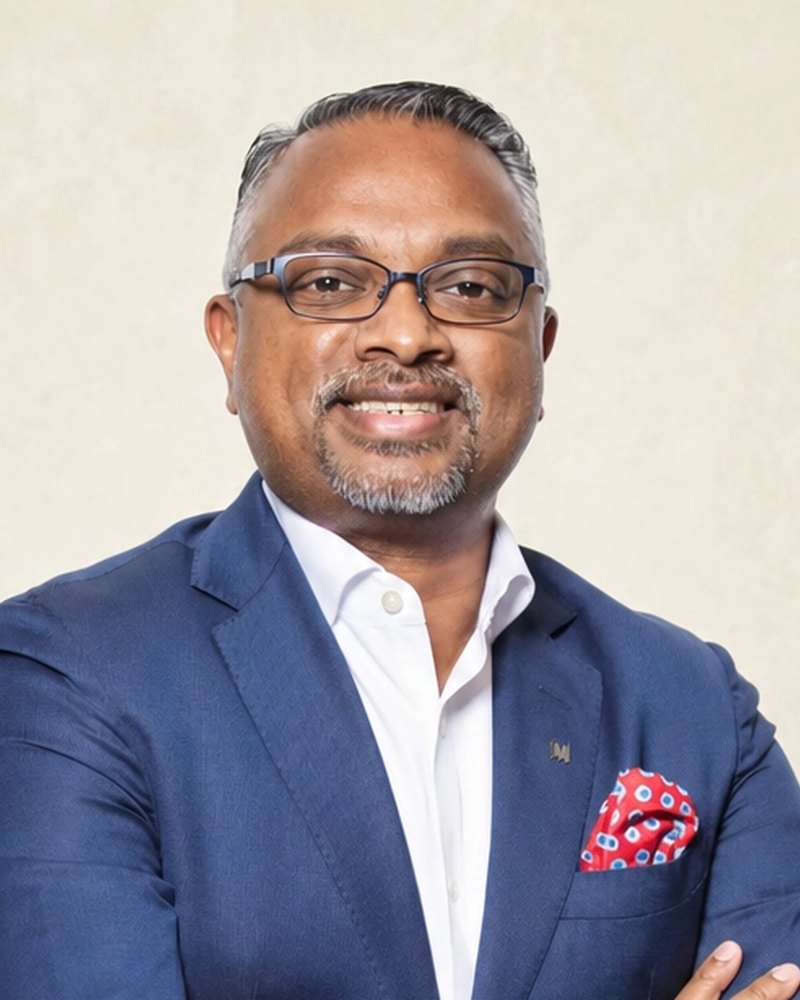
Diversity and inclusion lead for Asia at Manulife, one of the world's largest financial services providers, with responsibility for workplace inclusion across the region.
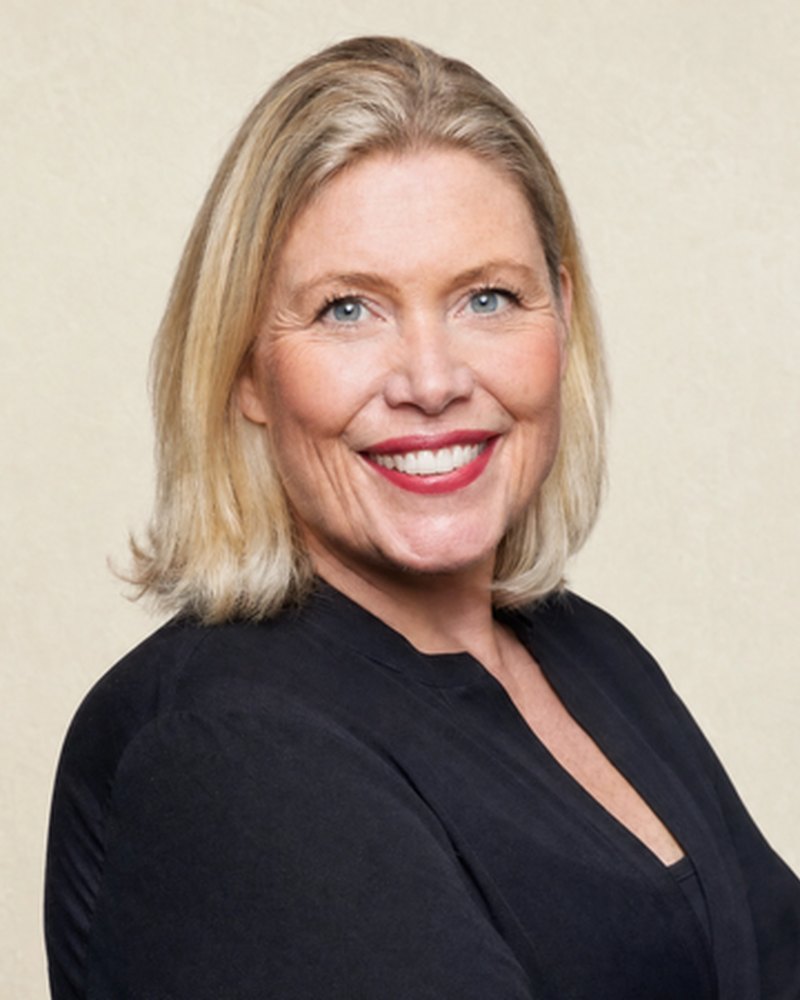
Former CEO of Visa Hong Kong and Macau, with C-suite experience at Fortis Bank, ABN Amro and Commonwealth Bank of Australia. Now a women's health entrepreneur and investor.

A physician with twenty-six years in clinical practice, focusing on women's health, hormonal health and menopause care across every stage of the lifecycle.
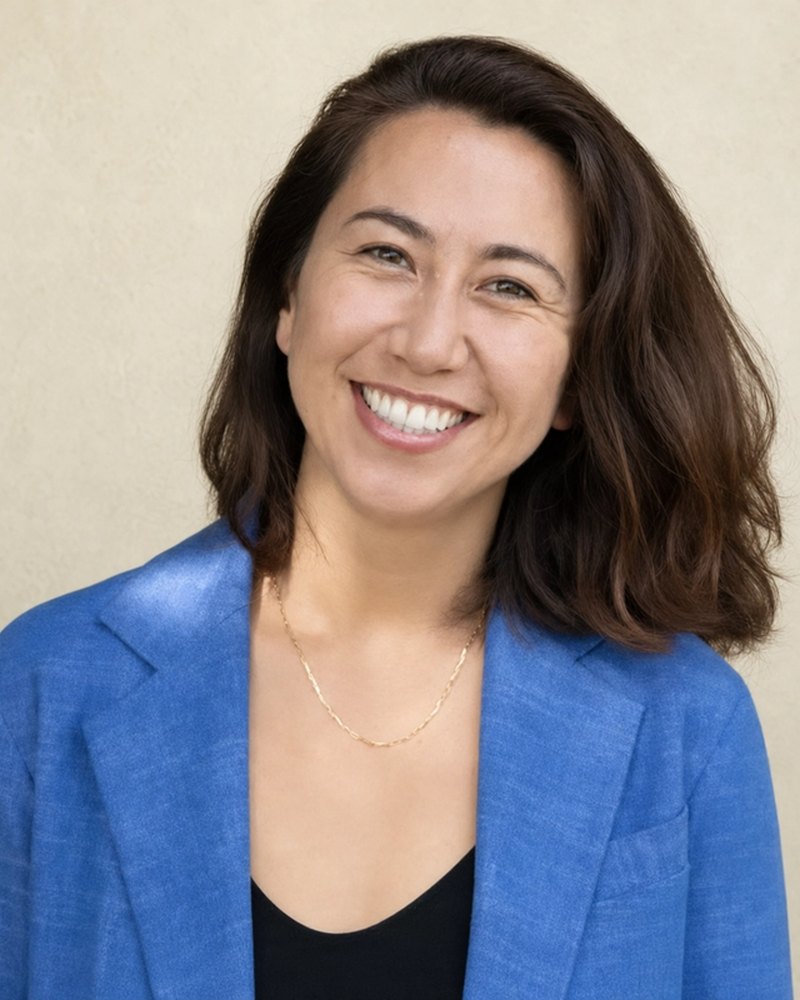
Founder and CEO of Reemi, building reusable period care programmes and supply chains with government bodies and global charities including Oxfam. Forbes 30 Under 30 Social Impact honouree.

HR and wellness leader with nearly two decades across talent, culture and employee wellbeing at organisations in Hong Kong and the region.
menstrual health-inclusive workplaces across Asia
menstrual care kits deployed to girls & underserved women
our 2030 goal for women & girls supported with reusable care kits
single-use plastic period products predicted to be reduced by 2030*
*Based on adoption rates of our reusable period kits between 2024–2026 of 80%. Subject to meeting our 2030 distribution goal of 100,000 people.
Explore our free interactive Workplace Guide, with practical recommendations and a self-assessment to help your organisation take action.
GoodPeriod is a Certified B Corporation — independently verified to meet the highest standards of social and environmental performance, transparency and accountability.