

For more than thirty years, Johnny has worked in aircraft maintenance, an industry shaped by precision and safety, with a workforce that has traditionally been male dominated. So when he joined us for our Menstrual & Menopause Health training at HAECO, he was honest about why he was there.
“I have observed a clear increase in female colleagues joining the company in recent years. Although these new joiners did not actively raise menstrual health concerns, I realize this may be because of cultural factors — in a Chinese workplace, such topics are not commonly discussed openly, especially in a male-dominated environment.”
Johnny, HAECO
That’s where most companies stop. No one has raised it, so why do anything? It’s a convenient logic and one that lets a workplace keep ignoring the silent shame and stress holding women back.
HAECO went further.
Products were the start, not the finish
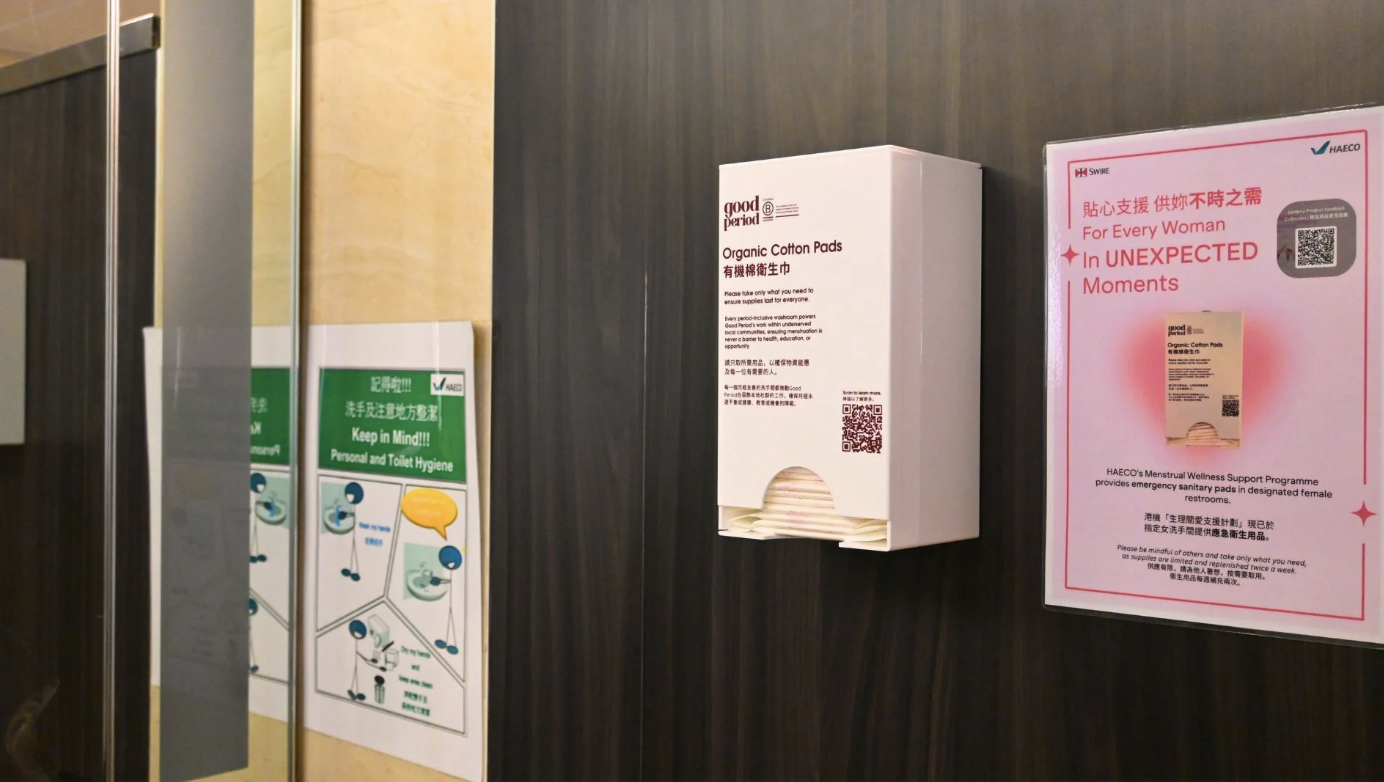
HAECO’s journey with GoodPeriod began in late 2025, when our organic cotton menstrual products were introduced in washrooms across its offices and airport hangar floors — ensuring equitable access for all staff, regardless of their role or where they worked.
This was followed by menstrual and menopause health training sessions for employees of all genders. After the session, Johnny shared:
“While the company provides pads in female washrooms, I realised that menstrual health goes beyond facilities and products. Greater awareness and understanding are also important.”Johnny, HAECO
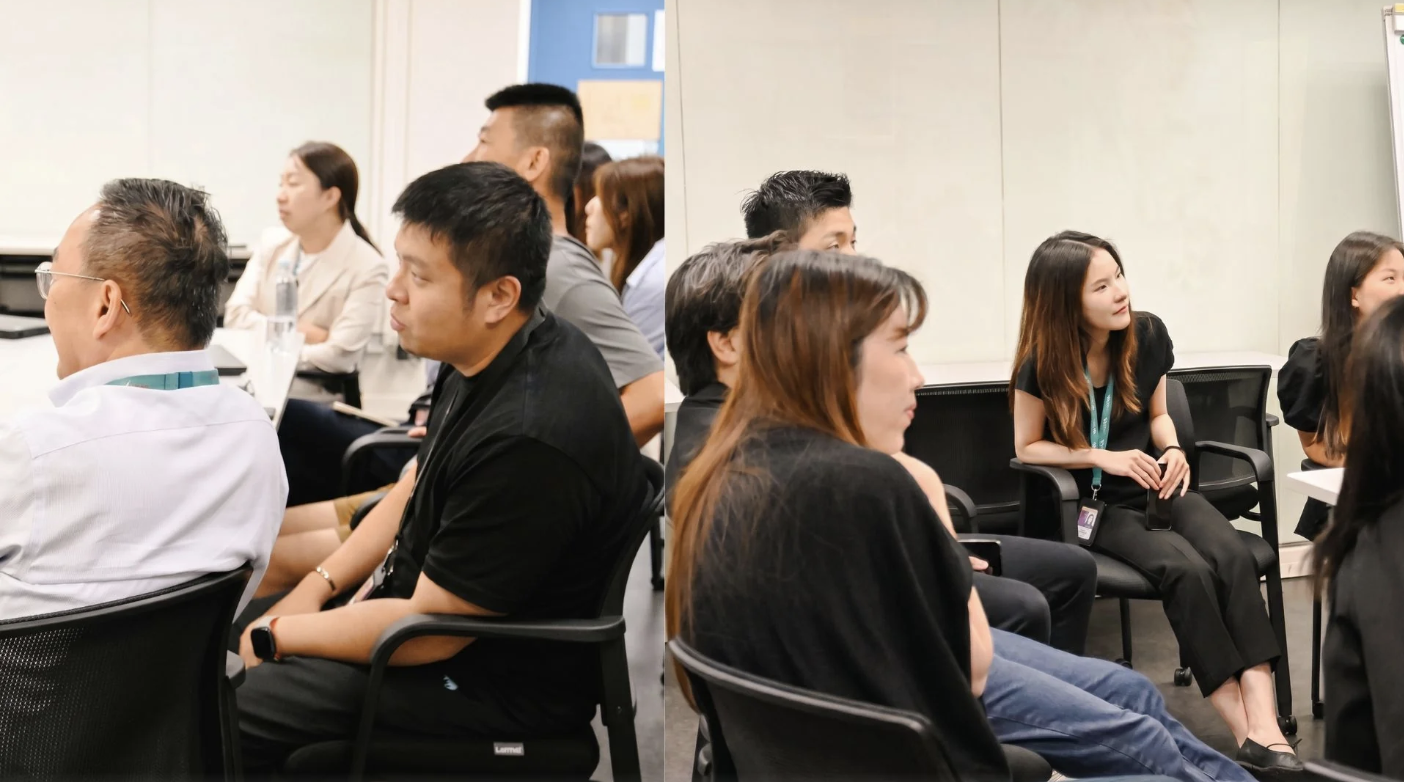
Leadership backed it
What surprised Teresa Cheung, HAECO Hong Kong Head of Business Improvement, who led the implementation, was how quickly leadership leaned in.
“The level of tremendous support we received from our senior management surprised me. Even though this initiative wasn’t included in our original budget, leadership was quick to see its value and ensured it moved forward, reinforcing our commitment to employee wellbeing and sending a strong message across our teams.”
Teresa Cheung, Head of Business Improvement, HAECO Hong Kong
The concern that didn’t materialise
Before launch, there were the usual concerns. Would products be misused? Taken by people who didn’t need them? Claudia Lau, GES Officer and committee member for HAECO Women’s Network, remembers the concerns:
“At the beginning, many colleagues were concerned about the potential misuse of the pads.”Claudia Lau, GES Officer, HAECO Women’s Network
Teresa picks up the same thread:
“At first, there were a few concerns around the possibility of misuse or theft of the period products provided. However, those concerns quickly faded as usage patterns have stayed within expectations.”Teresa Cheung, Head of Business Improvement, HAECO Hong Kong
What replaced the concern was something more interesting.
“Our staff have not only appreciated the generosity behind this programme but have also respected the rationale and intent. It’s been wonderful to see how trust breeds responsibility.”Teresa Cheung, Head of Business Improvement, HAECO Hong Kong
For many workplaces, the hesitation around menstrual health support starts with cost concerns or fears of misuse. But what HAECO experienced reflects what we consistently see across the organisations we partner with: when employees feel trusted and genuinely supported, engagement rises, workplace culture strengthens, and the programme quickly delivers value far beyond the cost of the products themselves.
What changed inside HAECO
Six months in, the difference isn’t always dramatic. Johnny is clear that small change is the right kind of change.
“What surprised me most was how little the topic had been openly discussed before. Even though some measures already existed, many people — including myself — did not fully understand the impact menstrual health can have on comfort, concentration and wellbeing at work.”Johnny, HAECO
The workshop didn’t make everyone an expert. It made the topic legitimately discussable:
“The workshop helped bridge that gap and showed that creating awareness does not require sensitive or uncomfortable conversations, but thoughtful and respectful communication.”Johnny, HAECO
Claudia describes the same shift from a cultural perspective.
“Being a GoodPeriod partner reflects our organisation is truly people-oriented. It also demonstrates that we have a high level of trust in our colleagues. It shows our culture of care, respect, and openness within our workplace.”Claudia Lau, GES Officer, HAECO Women’s Network
And the staff response, in the moments that matter, has been quietly powerful:
“They shared that the system is working well and that the trust placed in everyone has been respected. They reflected that this system helped during their emergency times — which is warm to hear.”Claudia Lau, GES Officer, HAECO Women’s Network
Why HAECO chose a purpose-led partner
There are plenty of vendors who’ll deliver a box of products to a workplace. What HAECO wanted was different.
“Because this topic requires sensitivity, credibility and purpose. A socially-driven partner brings real understanding and clear intent, rather than treating menstrual health as just another item to provide. That makes the programme more meaningful and trustworthy.”HAECO
This is central to the GoodPeriod model. As a B Corp-certified social enterprise, revenue from employer partnerships helps fund reusable period care and menstrual health education for girls and underserved women. Workplace support and community impact are designed to reinforce one another.
What HAECO would say to other companies
If there’s one piece of advice Johnny offers to companies that are interested but haven’t yet acted:
“Starting the conversation is already a positive step. Supporting menstrual health does not require big changes immediately. Even small actions — awareness, openness and respect — can make a real difference, especially in traditional or male-dominated industries.”
Johnny, HAECO
In a traditionally male-dominated industry, HAECO’s experience shows what the GoodPeriod Employer Network is designed to make practical: start with the workplace, build capability through education, secure leadership support, and keep improving over time.
The result is not a one-off initiative, but menstrual health becoming a more visible and supported part of everyday workplace culture.